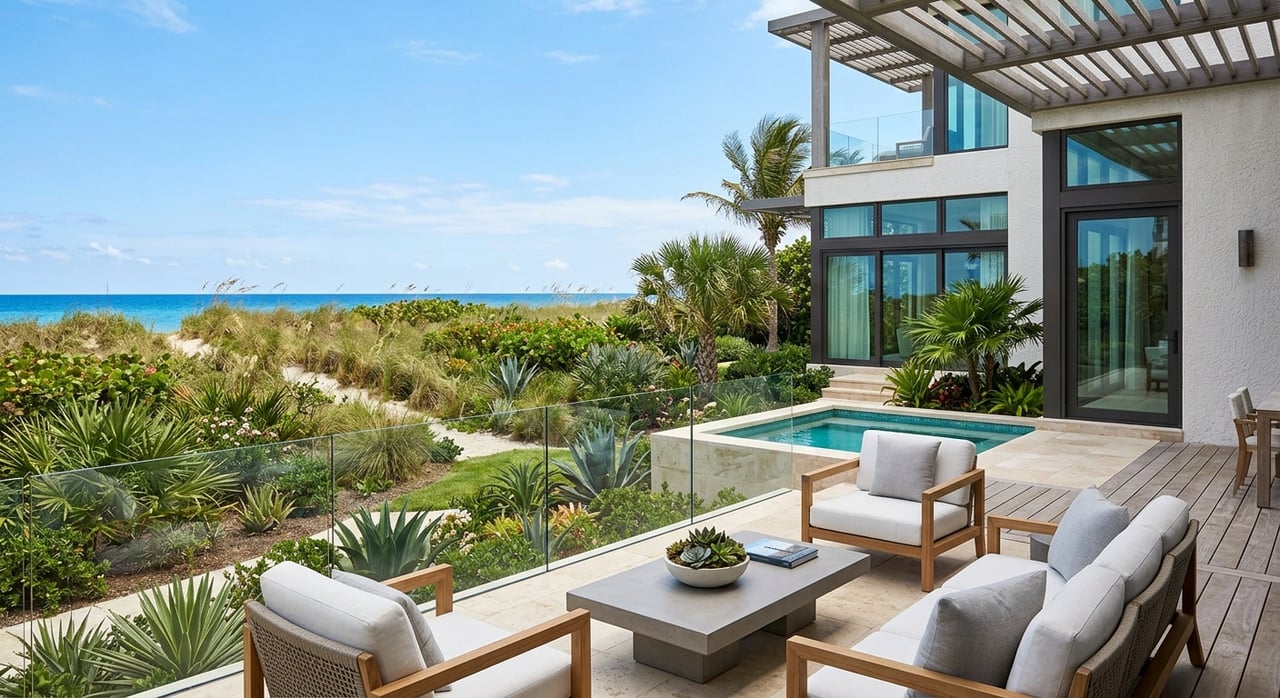
If you picture oceanfront living as quiet sand, private views, and a simple walk from your patio to the water, Lauderdale Beach may surprise you. This stretch of shoreline offers a true beachfront lifestyle, but it also comes with public access, active city oversight, and coastal ownership rules that can shape how you live and what you can change. If you are considering buying here, it helps to understand both the luxury and the logistics before you commit. Let’s dive in.
Lauderdale Beach feels public and active
Lauderdale Beach is not a secluded private shoreline. It sits within an officially recognized Fort Lauderdale neighborhood association area, and the surrounding beachfront operates as a public beach corridor with parks and access points such as Fort Lauderdale Beach Park, Las Olas Oceanside Park, Loggerhead Park, Vista Park, and Willingham Park.
That public setting affects daily life in a practical way. Fort Lauderdale Ocean Rescue says lifeguards are on duty every day of the year from Fort Lauderdale Beach Park to NE 18th Street, and the city reports that the beach serves more than 5 million visitors annually. In other words, you are buying into a highly visible, well-used stretch of coast rather than a hidden beach enclave.
For many buyers, that is part of the appeal. You get immediate access to the ocean, walkable beachfront amenities, and a polished coastal setting that feels managed and maintained. But if your top priority is total separation from public activity, it is important to recognize that oceanfront ownership here usually trades some privacy for location and access.
Daily life comes with beach rules
Oceanfront living in Lauderdale Beach is beautiful, but it is also regulated. Fort Lauderdale has beach rules that prohibit or restrict tents, canopies, fencing, loud amplified noise, glass containers, alcohol, dogs on the sandy beach except in designated areas, and keeping watercraft on the beach overnight.
Those rules matter because they shape how the beachfront experience actually feels day to day. This is not a setting where you can assume every outdoor use will work the way it might on a more private waterfront property. If you are buying for outdoor living, you should think beyond the view and ask how the rules align with the way you plan to use the space.
The city also protects sea oats and dune plantings. That means the natural edge of the beach is not just scenery. It is part of a regulated coastal system, and that can influence what is allowed near the shoreline.
Amenities shape the lifestyle
Part of Lauderdale Beach’s value is the surrounding public infrastructure. The city lists waterfront walkways, open areas, outdoor showers, restrooms, picnic tables, and walking paths among the area’s beach amenities.
That creates a lifestyle that feels polished and accessible. You may enjoy the convenience of a managed beachfront environment, especially if you want a turn-key coastal experience with nearby public conveniences. At the same time, it reinforces the point that this is a shared and active shoreline environment, not a private cove.
For a luxury buyer, the key is fit. Some buyers want energy, walkability, and easy beach access. Others prefer a more controlled waterfront experience where the focus is on private docks, enclosed outdoor areas, and less public foot traffic.
Sea turtle lighting can affect design
One of the most overlooked parts of oceanfront ownership is lighting. Broward County says sea turtle nesting season runs from March 1 through October 31, and coastal municipalities must enforce beachfront-lighting ordinances during nesting season.
The county and city both recommend shielded, amber or red turtle-friendly lighting and reducing visible light from beach-facing windows. County staff also survey beach lighting at night from March through September. If you are evaluating a property with extensive outdoor lighting, large beach-facing glass, or plans for redesign, this is not a minor detail.
For buyers planning updates, lighting should be part of your due diligence early. A clean modern design can still work beautifully on the oceanfront, but beachfront lighting must be approached with compliance in mind.
Dunes and access are part of ownership
Florida DEP describes the beach and dune system as the first line of defense against storms. DEP also advises using existing boardwalks and trails to protect dune structure and vegetation from erosion.
That helps explain why beachside access paths, hardscape, and landscaping may feel more controlled than expected. On an inland or canal-front property, you may have more flexibility in how you shape the edge of the property. On the oceanfront, the coastal system itself places limits on what makes sense and what may be allowed.
This is one reason oceanfront ownership should be viewed as both a lifestyle decision and a compliance decision. You are not just buying a backdrop. You are buying into an environment with rules meant to protect shoreline stability, public access, and sensitive coastal features.
Maintenance is higher on the oceanfront
The ocean can be stunning from your living room, but it is also hard on property. Florida DEP notes that the beach environment includes salt spray, shifting sand, bright sunlight, and storms.
For buyers, the practical takeaway is simple: oceanfront homes usually come with more maintenance friction than homes farther inland. Exterior finishes, outdoor materials, beach-facing glass, and mechanical systems all operate in a harsher environment.
That does not mean oceanfront ownership is a bad fit. It means you should go in with the right expectations. Sophisticated buyers often do best when they evaluate not just purchase price and views, but also upkeep, resilience, and the long-term cost of maintaining a property in coastal conditions.
Flood zones deserve close review
Flood risk should be part of every waterfront purchase analysis, but it is especially important on the oceanfront. Broward County’s current flood-zone maps became effective on July 31, 2024, and the county says Zone VE corresponds to coastal areas with additional hazards associated with storm waves.
The county also encourages property owners to consider flood insurance even if it is not required for a particular location. It further notes that residents experience occasional flooding from rainfall or high tides and that sea-level-rise impacts are being modeled.
Before you buy, review the flood-zone designation carefully and understand what it may mean for insurance, future improvements, and your comfort level as an owner. For a high-value waterfront purchase, this is not a box to check at the end. It is a core part of the decision.
Permitting can be more complex
Beachfront construction is not the same as a standard inland renovation. Florida DEP’s Coastal Construction Control Line program regulates structures and activities that can cause erosion, destabilize dunes, damage upland property, or interfere with public access.
Unless exempt, construction and excavation seaward of the CCCL require a DEP permit. DEP also says buyers can use Map Direct to locate the CCCL on a beachfront parcel, and an elevation certificate is required for habitable structures built seaward of a CCCL.
If you are buying with plans to renovate, expand, or rework exterior spaces, this is one of the most important issues to investigate upfront. A property that looks straightforward from the street may involve a much more layered approval process once you account for coastal rules.
Oceanfront vs Intracoastal living
For many Fort Lauderdale buyers, the real decision is not just whether to live on the water. It is what kind of waterfront experience you want. Lauderdale Beach oceanfront living centers on beach access, open shoreline exposure, and the rules that come with dunes, lighting, and coastal permitting.
Intracoastal-front or canal-front living shifts the focus. Broward County’s seawall and tidal-flood standards apply to tidally influenced properties, and the county rules cover seawalls, banks, berms, and mooring structures. The county also requires a sale-contract disclosure for real estate in tidally influenced areas.
In practical terms, that means canal-side ownership is often more about seawall condition, dock infrastructure, and tidal-flood compliance. Oceanfront ownership is more about beach exposure, dune management, public shoreline conditions, and coastal permitting.
Nearby waterfront alternatives in Fort Lauderdale include neighborhoods such as Harbor Beach, Lauderdale Harbors, Las Olas Isles, and Riviera Isles. For some buyers, a private dock and more controlled edge condition will feel like the better fit. For others, nothing replaces direct oceanfront exposure.
What smart buyers should review
If you are seriously considering oceanfront property in Lauderdale Beach, focus your due diligence on the issues that affect ownership most:
- Public beach activity and nearby access points
- Beach rules that may affect outdoor enjoyment
- Sea turtle lighting compliance during nesting season
- Dune protection and access-path limitations
- Flood-zone designation and insurance implications
- CCCL location and permitting requirements for future work
- Expected maintenance demands in a harsh coastal environment
This kind of purchase rewards clear thinking. The most successful buyers are usually the ones who match the property not just to their taste, but also to their real tolerance for exposure, maintenance, regulation, and visibility.
The bottom line on Lauderdale Beach
Lauderdale Beach offers a compelling version of oceanfront living in Fort Lauderdale. You get direct beach access, a vibrant shoreline setting, and the kind of location that remains highly desirable for buyers who value immediate connection to the ocean.
At the same time, this is a public-facing and tightly regulated coastal environment. The right purchase is not just about the house. It is about understanding how flood maps, lighting rules, permitting, maintenance, and public beach activity fit your lifestyle and long-term plans.
If you want help evaluating whether Lauderdale Beach oceanfront living is the right fit, or you want to compare it with Intracoastal alternatives, Tyler Tuchow can help you approach the decision with local waterfront insight and a discreet, strategic eye.
FAQs
How public is oceanfront living in Lauderdale Beach?
- Lauderdale Beach sits along a public beach corridor with parks, access points, year-round lifeguard coverage in much of the area, and a shoreline that serves millions of visitors each year.
What beach rules should buyers know in Lauderdale Beach?
- Fort Lauderdale restricts or prohibits items and activities such as tents, canopies, fencing, loud amplified noise, glass containers, alcohol, certain dog access on the sand, and keeping watercraft on the beach overnight.
What sea turtle lighting rules affect Lauderdale Beach homes?
- During nesting season from March 1 through October 31, coastal municipalities enforce beachfront-lighting rules, and buyers should expect to use shielded, turtle-friendly lighting and reduce visible light from beach-facing windows.
What flood-zone issue matters for Lauderdale Beach buyers?
- Broward County’s flood maps identify some coastal areas as Zone VE, which indicates additional storm-wave hazards, so buyers should closely review flood-zone designations and insurance considerations.
What is the CCCL for Lauderdale Beach property?
- The Coastal Construction Control Line is a Florida DEP regulatory line that can affect construction and excavation on beachfront parcels, and work seaward of that line may require state permitting.
How does Lauderdale Beach compare with Intracoastal-front property?
- Lauderdale Beach oceanfront ownership is centered on beach access, shoreline exposure, and coastal compliance, while Intracoastal-front ownership is more focused on seawalls, docks or mooring structures, and tidally influenced flood standards.