By Tyler Tuchow
The quality of a day is rarely determined by its biggest moments. It is the accumulated weight of small, repeated choices — how a morning begins, how an environment is organized, how a person moves between work and rest — that shapes how life actually feels. In Fort Lauderdale, FL, where the pleasures of South Florida living are part of the appeal, building a daily routine that supports productivity and well-being deserves real attention. Here is what actually moves the needle.
Key Takeaways
- Small, consistent habits compound into significant results over weeks and months
- The physical environment of a home directly shapes the ease or difficulty of building good habits
- Morning and evening routines are the highest-leverage points in any daily schedule
- A home designed for the life you want to live makes intentional routines far easier to sustain
Start the Morning With One Clear Priority
The way a day begins tends to set the tone for everything that follows. Research on decision fatigue shows that judgment and focus degrade as the day progresses — which means the morning is when the clearest, most intentional thinking happens. Using that window well is one of the most consistent advantages available.
Writing down the single most important thing to accomplish before noon — not a list, just one thing — creates clarity that carries forward. Pairing that with a few minutes of movement and five minutes away from a screen changes the texture of the morning without requiring a restructured schedule.
Morning Habits Worth Committing To
- Write down your top priority for the day before opening email or social media — decision fatigue works against you later, so decide early
- Drink a full glass of water immediately after waking: overnight dehydration affects both mental clarity and energy before the first cup of coffee
- Spend at least five minutes outside or near natural light in the morning — in Fort Lauderdale, FL, this is one of the most accessible habits available year-round, whether on a lanai, a dock, or a short walk in the neighborhood
Organize Your Environment to Support the Life You Want
The easier a behavior is to do, the more likely it is to happen. A cluttered or disorganized environment creates low-grade friction that accumulates throughout the day and has a measurable effect on focus, mood, and decision quality.
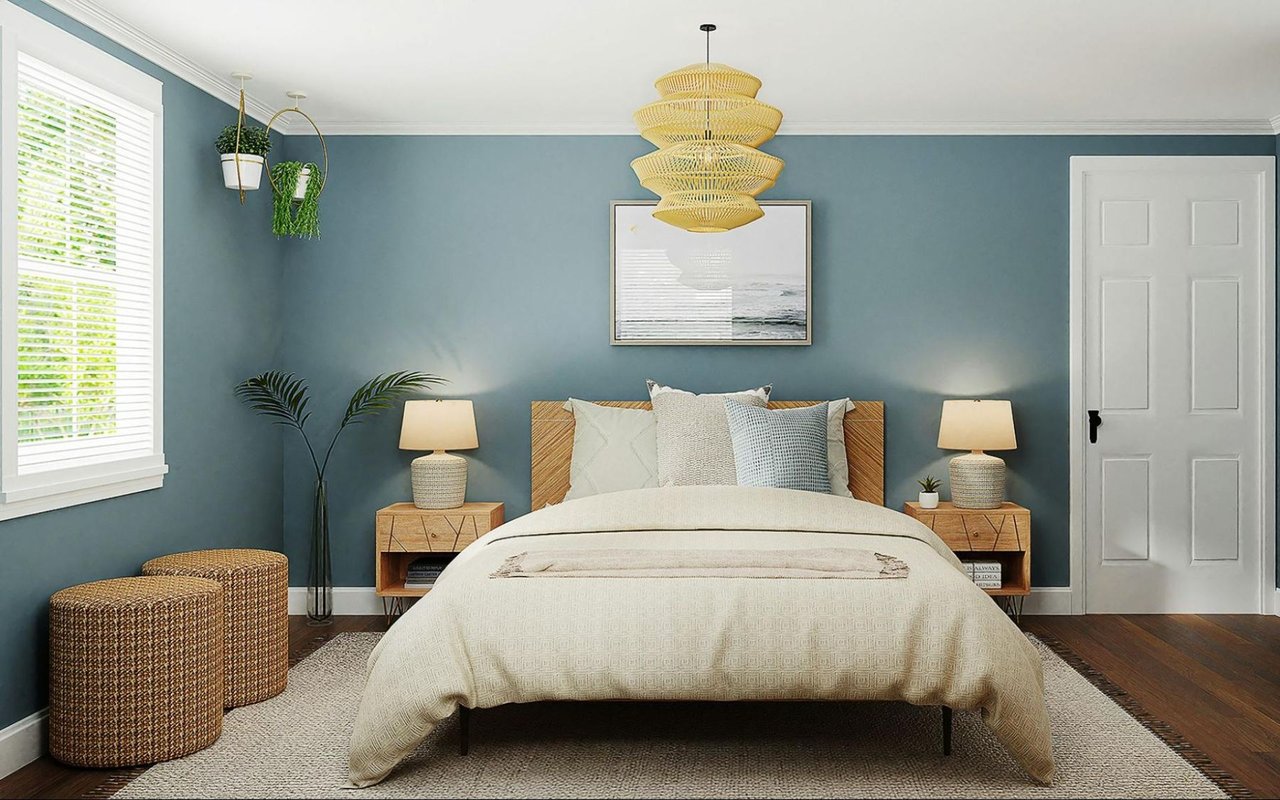
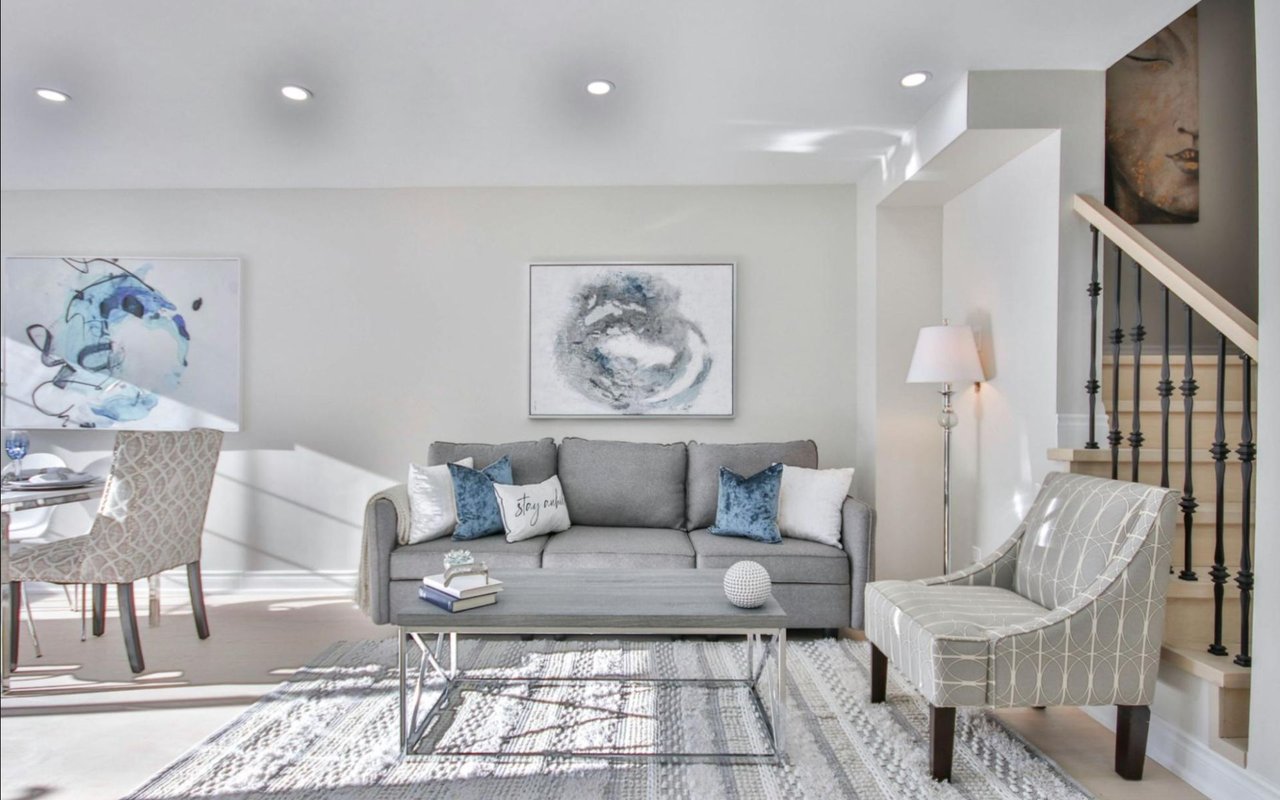
In a well-designed home, this happens by default. The kitchen supports how you eat. The home office supports focus. The primary suite is reserved for rest. When a home's layout aligns with its owner's daily life, good habits become easier and the friction that derails them diminishes.
Environmental Changes With Immediate Impact
- Clear one surface completely — a kitchen counter, a desk, or a nightstand — and commit to keeping it clear for two weeks. The effect on how the space feels will be immediate
- Position whatever supports your most important morning habit directly in your path the night before: the glass of water, the journal, the running shoes
- Designate a specific place for items that currently have no home — keys, bags, mail — and return them there consistently. The reduction in low-level daily friction is more significant than it sounds
- Keep work tools and rest spaces separate where the home allows: the ability to close a door on a home office at the end of the day is one of the most underrated features in a Fort Lauderdale luxury property
Build an Evening Routine That Closes the Day With Intention
Most people invest thought in how mornings begin but give little attention to how evenings end. The transition into rest is where many good habits are lost — and where a small amount of structure pays significant dividends.
A wind-down routine does not need to be elaborate. Setting a consistent stop time, spending a few minutes organizing the next day's priorities, and doing something non-digital before bed are changes research links directly to better sleep, improved mood, and stronger daily performance.
Evening Habits That Protect Rest and Recovery
- Set a fixed time to stop working and treat it as non-negotiable — the absence of a clear ending makes the workday feel endless and makes rest harder to achieve
- Write down any open loops — unfinished tasks, things to remember, concerns — before bed. Externalizing them removes the pressure to hold them mentally overnight
- Dim the lights in the primary living areas an hour before sleep: in a Fort Lauderdale home with a smart lighting system, this can be automated entirely
- Spend the final 20 minutes before bed away from screens — reading, conversation, or simply sitting outside in the evening air, which Fort Lauderdale's climate makes possible most of the year
Let the Home Do Some of the Work
The routines that stick are the ones supported by the environment they live in. A productive morning is easier when the home office is well designed. Rest is easier in a primary suite designed for quiet and calm. The relationship between daily habits and the physical home is not incidental — it is foundational.
This is why I pay close attention to how a property actually functions as a place to live, not just how it presents. The best homes in Fort Lauderdale, FL, support the full range of life that happens within them — work, rest, and the quiet daily rhythms that hold everything together.
Frequently Asked Questions
How long does it take for a small habit to become automatic?
Research suggests new behaviors take anywhere from a few weeks to a couple of months to feel automatic, depending on the person and the habit's complexity. Consistency rather than intensity is the most important variable — doing the same thing daily for a shorter period produces more durable results than occasional large efforts.
What is the single highest-leverage change for someone trying to improve their daily routine?
A consistent sleep and wake time tends to produce the broadest downstream benefits. When sleep is regular and sufficient, focus sharpens, mood stabilizes, decision-making improves, and the energy required to build other habits becomes more available.
How does a home's design affect the ability to build good habits?
More directly than most people realize. A home that is organized, well-lit, and designed around actual daily use removes the friction that derails routine. This is something I think about when helping clients evaluate properties in the Fort Lauderdale, FL, market — the best homes make good living easier, not harder.
Work With Tyler Tuchow
The life you want to live deserves a home that supports it. If you are looking to buy in Fort Lauderdale, FL, or evaluating whether your current property still fits, reach out to me, Tyler Tuchow, and let's talk.
The details of a daily routine and the details of a home matter more than most people realize — until you get both right.