Historic homes in Fort Lauderdale tell the story of a coastal city shaped by early pioneers, Mediterranean-influenced estates, mid-century architects, and neighborhoods that still preserve original design elements. The city’s residential history features preserved estates, restored cottages, and canal-front properties with original layouts that have remained untouched by modern development. This guide explores the different types of historic homes you can encounter and what makes each category unique.
Early Pioneer and Frame Vernacular Homes
Some of the oldest surviving homes in Fort Lauderdale date back to the early 20th century, built in the local “Frame Vernacular” style. These properties often feature simple rectangular layouts, metal roofs, wide porches, and raised foundations intended to handle South Florida’s humid climate. Many include Dade County pine, a dense and resilient wood no longer widely available.
Pockets of these homes remain in neighborhoods near Sailboat Bend and near the New River, where early settlements took root. Buyers studying how to find a historic house in Fort Lauderdale usually start here, since these homes reflect the earliest stages of the city’s residential history.
Pockets of these homes remain in neighborhoods near Sailboat Bend and near the New River, where early settlements took root. Buyers studying how to find a historic house in Fort Lauderdale usually start here, since these homes reflect the earliest stages of the city’s residential history.
Mediterranean Revival Architecture in Riverfront Districts
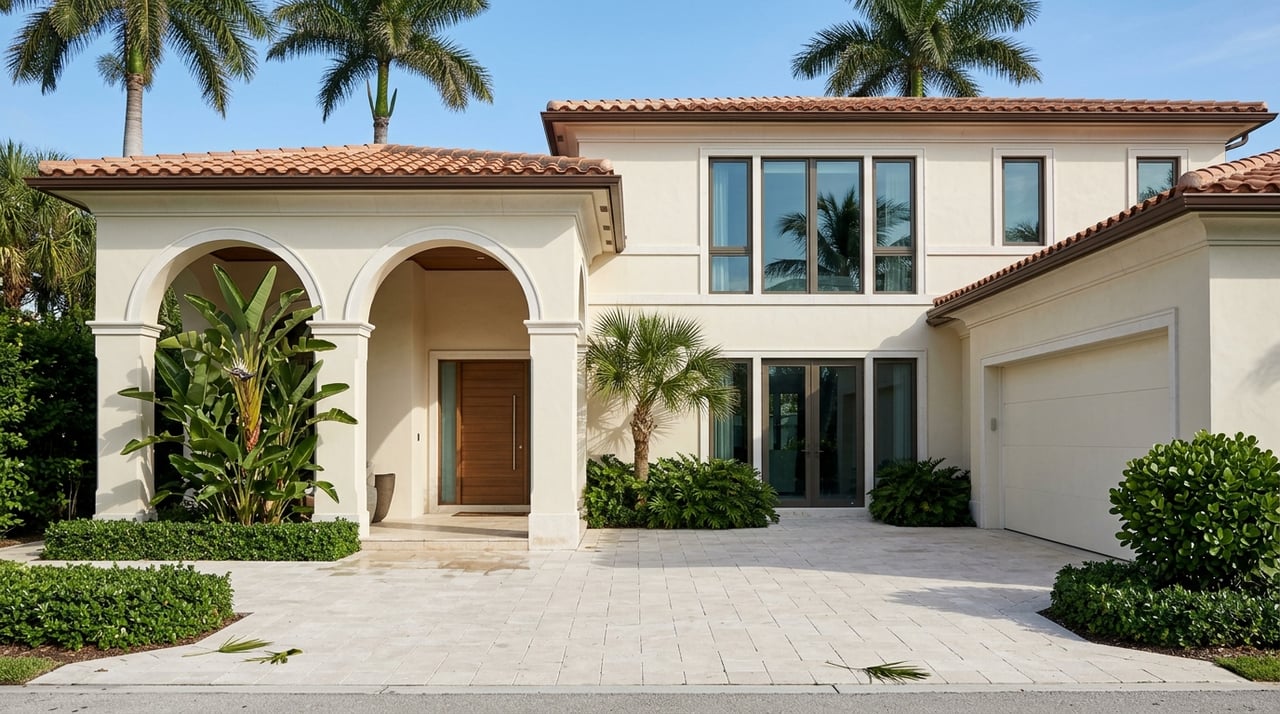
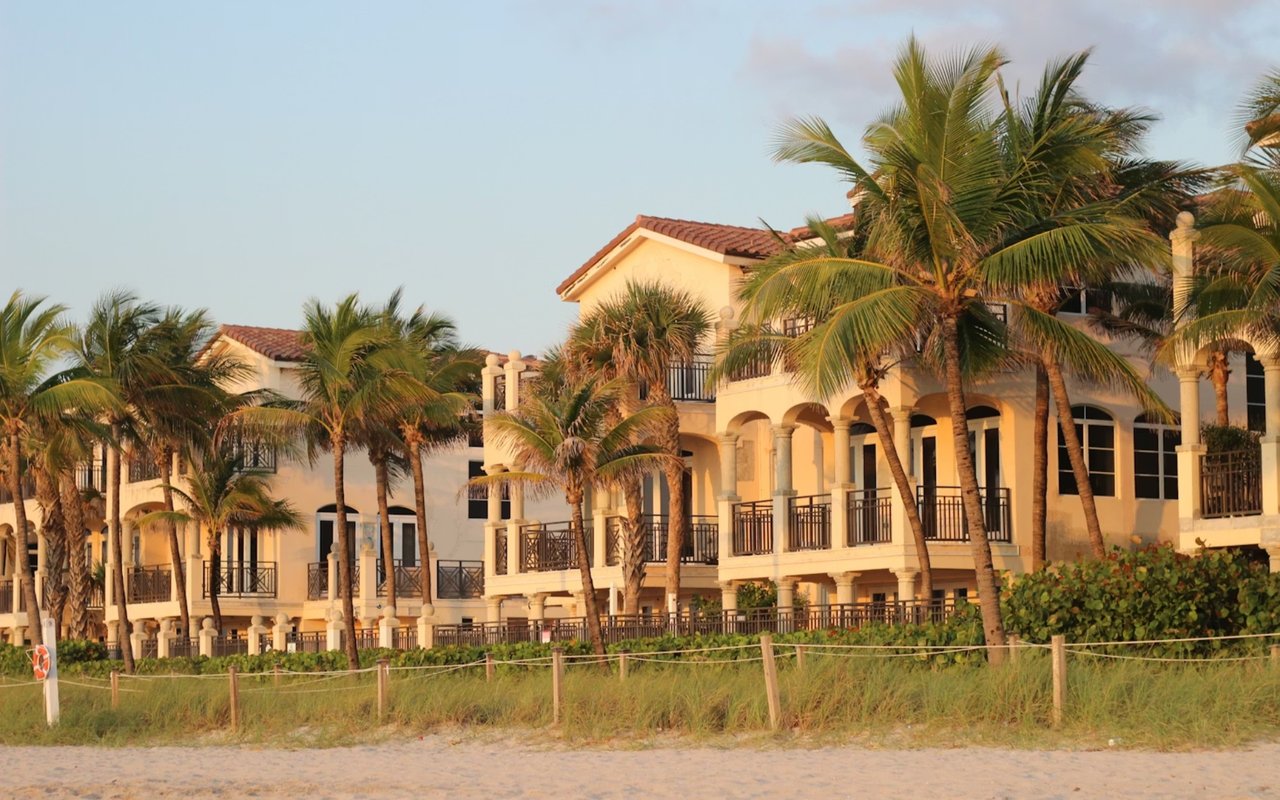
By the 1920s, Fort Lauderdale saw an expansion of Mediterranean Revival development influenced by Spanish and Italian design. Stucco exteriors, decorative tilework, barrel tile roofs, and arched doorways define these properties. Many were built by developers inspired by Addison Mizner’s work in Palm Beach.
Historic pockets west of Las Olas Boulevard include striking examples of this style. These homes often feature courtyards, wrought-iron balconies, and ornate fireplaces. Buyers drawn to elegant architectural details appreciate the craftsmanship present in these estates. Mediterranean Revival homes usually include symmetrical facades and mature landscaping that enhances their classic appearance.
Historic pockets west of Las Olas Boulevard include striking examples of this style. These homes often feature courtyards, wrought-iron balconies, and ornate fireplaces. Buyers drawn to elegant architectural details appreciate the craftsmanship present in these estates. Mediterranean Revival homes usually include symmetrical facades and mature landscaping that enhances their classic appearance.
Art Deco and Streamline Moderne Residences
Art Deco is typically associated with Miami Beach, but Fort Lauderdale hosts a smaller, lesser-known collection of residential examples built between the 1930s and early 1940s. These homes incorporate linear geometry, rounded corners, and glass-block windows that allow natural light while maintaining privacy.
Streamline Moderne designs emphasize aerodynamic shapes inspired by industrial design. Flat roofs, horizontal banding, and subtle nautical details appear throughout these properties. Individuals exploring how to find a historic home in Fort Lauderdale sometimes overlook these residential Art Deco pieces, but they represent a unique phase of South Florida architecture.
Streamline Moderne designs emphasize aerodynamic shapes inspired by industrial design. Flat roofs, horizontal banding, and subtle nautical details appear throughout these properties. Individuals exploring how to find a historic home in Fort Lauderdale sometimes overlook these residential Art Deco pieces, but they represent a unique phase of South Florida architecture.
Mid-Century Modern and Ranch-Style Homes
Fort Lauderdale experienced significant residential growth during the 1950s and 1960s, producing a wave of Mid-Century Modern and Ranch-style homes. These structures often include open floor plans, clerestory windows, large sliding glass doors, and integrated indoor-outdoor living spaces.
Imperial Point and Coral Ridge feature clusters of these mid-century homes. Some retain terrazzo flooring and original cabinetry, while others incorporate restored landscaping that highlights low horizontal rooflines. Mid-Century Modern homes appeal to buyers who want historic character combined with layouts suited to contemporary lifestyles. Ranch homes in the area often include expansive lots and classic brick or stucco facades, contributing to the neighborhood’s nostalgic feel.
Imperial Point and Coral Ridge feature clusters of these mid-century homes. Some retain terrazzo flooring and original cabinetry, while others incorporate restored landscaping that highlights low horizontal rooflines. Mid-Century Modern homes appeal to buyers who want historic character combined with layouts suited to contemporary lifestyles. Ranch homes in the area often include expansive lots and classic brick or stucco facades, contributing to the neighborhood’s nostalgic feel.
Waterfront Historic Homes Along the Canals
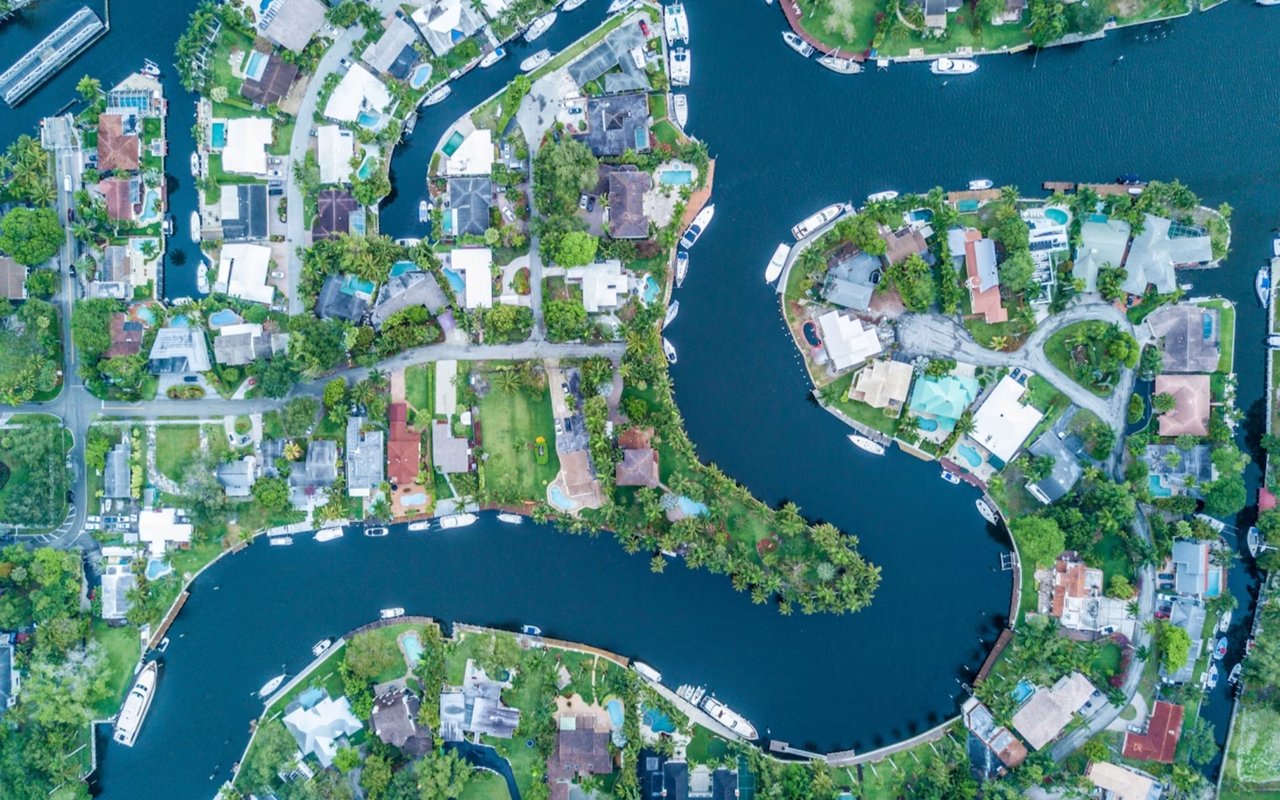
Fort Lauderdale’s network of residential canals created opportunities for early waterfront development. Many mid-century and late-1930s homes remain along these waterways, showcasing original dock layouts, preserved seawalls, and floor plans oriented toward water views.
Las Olas Isles contains some of the best examples of these canal-front historic properties. Homes built before widespread modern development often feature modest square footage but include architectural elements such as natural stone accents, wood-beam ceilings, and original pergolas.
Las Olas Isles contains some of the best examples of these canal-front historic properties. Homes built before widespread modern development often feature modest square footage but include architectural elements such as natural stone accents, wood-beam ceilings, and original pergolas.
Historic Districts with Preservation Guidelines
The city has several designated historic districts and individually recognized landmark homes. Sailboat Bend Historic District, for example, includes multiple early-20th-century residences, many restored using period-specific materials. The neighborhood retains its original street grid and architectural consistency, creating a strong sense of place.
Colee Hammock, situated near the riverfront, features a diverse mix of Mediterranean Revival, mid-century, and early cottage-style homes. Mature trees, brick paths, and original home facades define this district. Buyers drawn to neighborhoods with preservation commitments should consider exploring these areas, as they often feature properties that maintain their architectural integrity through long-term stewardship.
Colee Hammock, situated near the riverfront, features a diverse mix of Mediterranean Revival, mid-century, and early cottage-style homes. Mature trees, brick paths, and original home facades define this district. Buyers drawn to neighborhoods with preservation commitments should consider exploring these areas, as they often feature properties that maintain their architectural integrity through long-term stewardship.
Restored Luxury Estates with Modern Enhancements
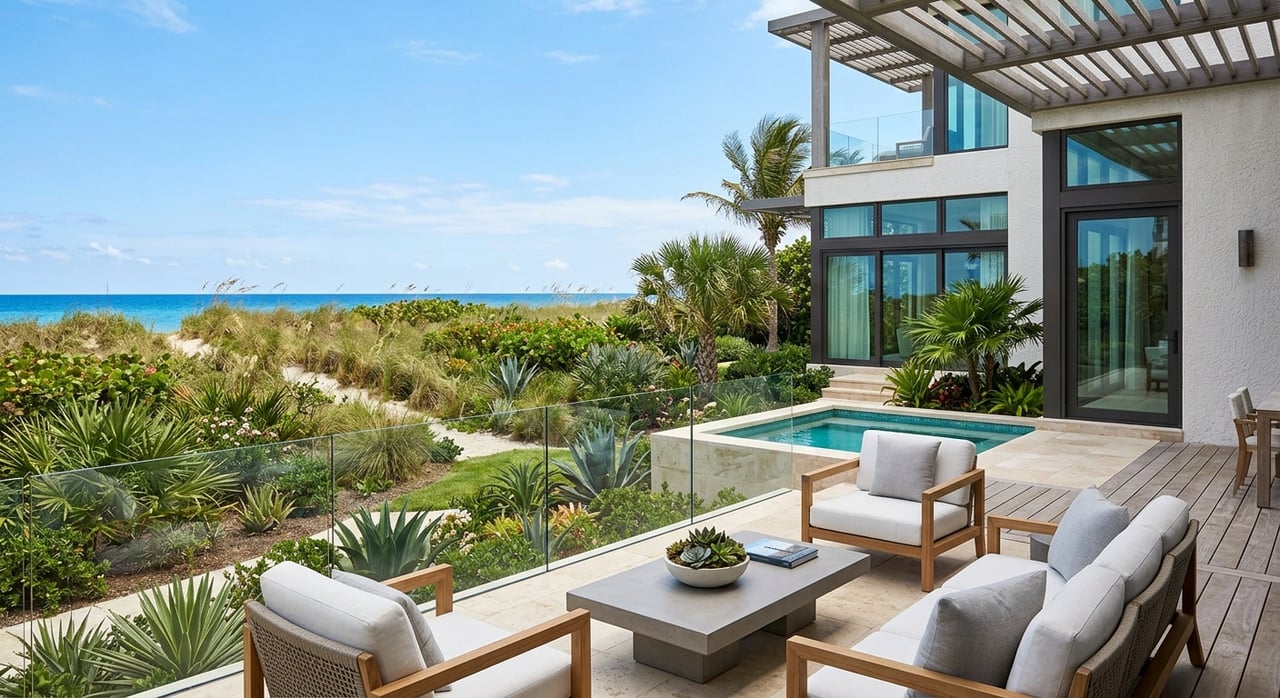
Some of Fort Lauderdale’s historic homes have undergone extensive restoration to meet modern expectations while preserving their original character. These renovations often include updated electrical systems, reinforced foundations, redesigned kitchens, and upgraded bathrooms while maintaining features such as wood-paneled walls, exposed beams, original fireplaces, and handcrafted tiles.
Restored estates are prevalent throughout the eastern neighborhoods, particularly near waterfront areas. These properties attract buyers who prefer historic ambiance paired with modern performance. Examples include Mediterranean Revival estates with reimagined courtyards or 1930s cottages transformed into elegant residences while retaining their signature charm.
Restored estates are prevalent throughout the eastern neighborhoods, particularly near waterfront areas. These properties attract buyers who prefer historic ambiance paired with modern performance. Examples include Mediterranean Revival estates with reimagined courtyards or 1930s cottages transformed into elegant residences while retaining their signature charm.
Historic Home Materials and Craftsmanship
Many of Fort Lauderdale’s historic homes stand out because of materials that are no longer common in new construction. Dade County pine framing, hand-laid stonework, decorative plaster finishes, and original ironwork give these homes a distinct identity. Skilled artisans crafted ornate staircases, tile mosaics, and wood-carved elements that still anchor many interiors.
Features such as double-hung wooden windows, solid-core original doors, and transom windows add authenticity. Buyers drawn to craftsmanship appreciate the durability and attention to detail present in these homes, which often demonstrate construction techniques that are difficult to replicate today.
Features such as double-hung wooden windows, solid-core original doors, and transom windows add authenticity. Buyers drawn to craftsmanship appreciate the durability and attention to detail present in these homes, which often demonstrate construction techniques that are difficult to replicate today.
How to Identify the Right Historic Home for Your Needs
Evaluating historic homes requires attention to architectural details, previous restoration work, and neighborhood context. Reviewing property records can reveal past modifications and confirm a home’s age. Touring several neighborhoods helps buyers narrow their preferences based on style, proximity to waterways, and available amenities.
Working with a real estate professional who understands the nuances of local historical architecture can streamline the process. The proper guidance helps buyers determine which structural elements are original, which updates were done correctly, and which properties offer long-term potential.
Working with a real estate professional who understands the nuances of local historical architecture can streamline the process. The proper guidance helps buyers determine which structural elements are original, which updates were done correctly, and which properties offer long-term potential.
Begin Your Historic Home Search with Local Expertise
Anyone interested in learning how to find a historic home in Fort Lauderdale benefits from understanding the distinctions between architectural periods, the neighborhoods where these properties remain, and the features that define them.
Tyler Tuchow offers personalized insight into the area’s most distinctive homes and can guide you through the search for a property that aligns with your architectural preferences and lifestyle goals.
Interested in Fort Lauderdale real estate? Contact us today and find your dream Fort Lauderdale home.
Tyler Tuchow offers personalized insight into the area’s most distinctive homes and can guide you through the search for a property that aligns with your architectural preferences and lifestyle goals.
Interested in Fort Lauderdale real estate? Contact us today and find your dream Fort Lauderdale home.